
Acupuncture

Acupuncture originated in Traditional Chinese Medicine (TCM). It is said to be able to cure or alleviate a wide range of conditions.

Acupuncturists develop their own diagnostic and therapeutic approaches based on an energetic view of the human body in relation to the world around it.

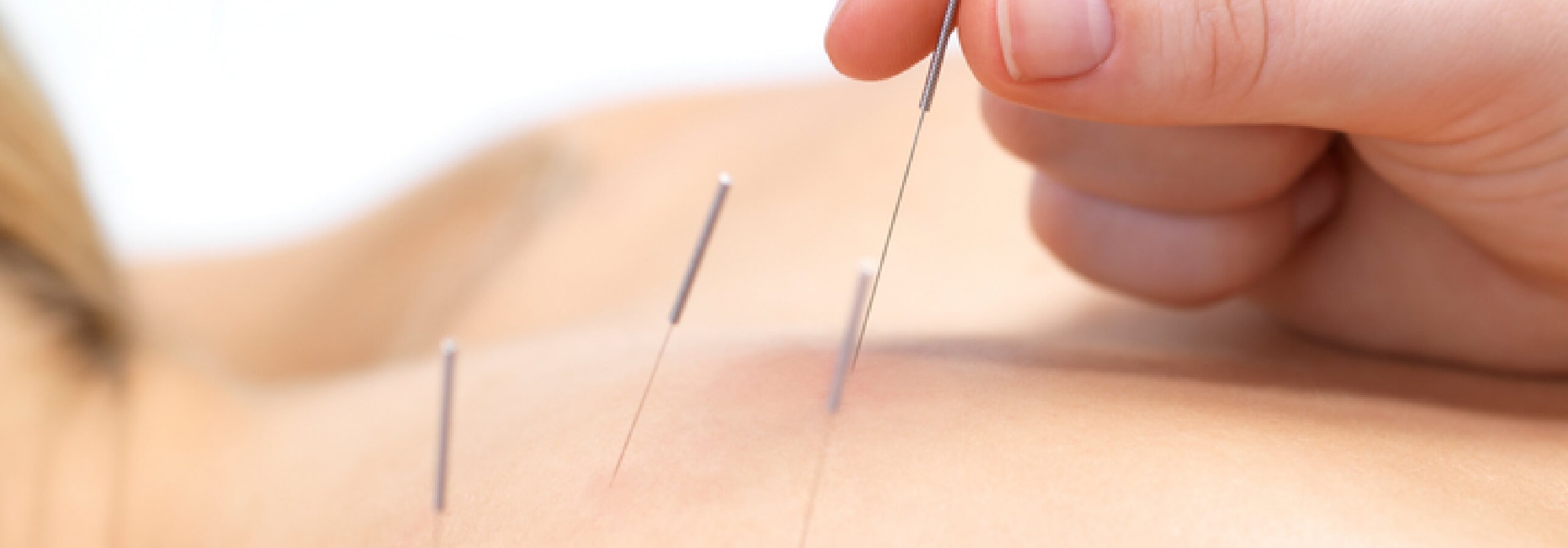
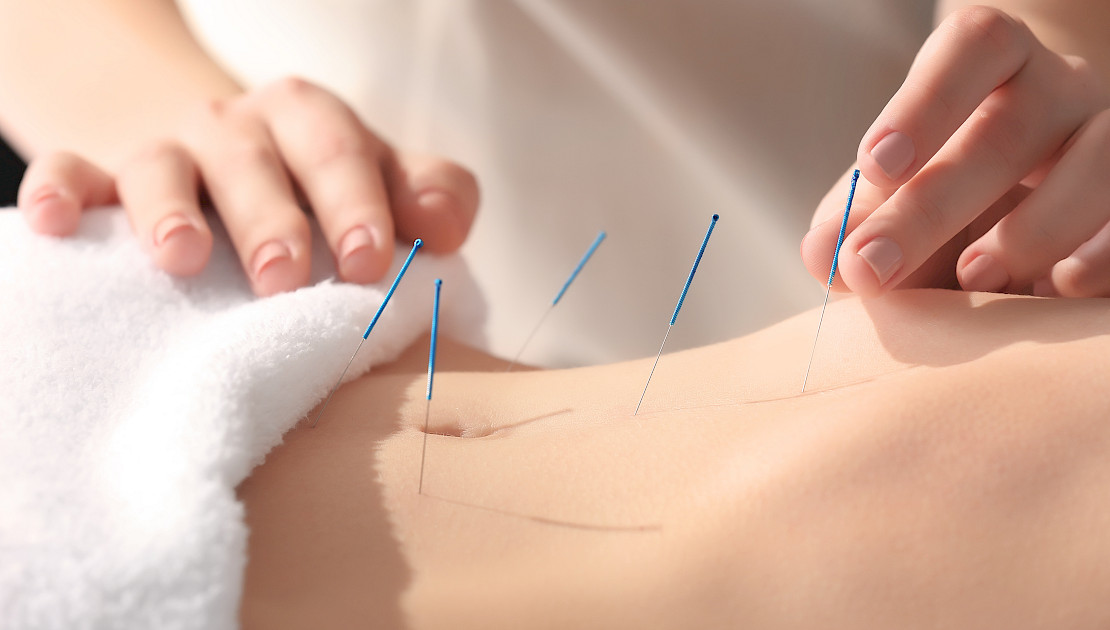
During a treatment, thin needles are inserted into specific points on the body. These points are known as acupuncture points. The onset and duration of the effect depend on the patient’s symptoms. When treating acute pain, an effect is usually felt within a few minutes or hours. In cases of chronic pain or very complex conditions, the first signs of improvement may not be seen until after the fourth or fifth session.

Quick facts

  • Definition: Acupuncture is a branch of Traditional Chinese Medicine (TCM) that is used to restore the body’s energetic balance. This involves stimulating specific points along meridians with fine, sterile, disposable needles.
  • Effects: Regulation of muscle tension; effects on the immune system; promotion of blood circulation; anti-inflammatory effects; pain relief.
  • Target group: Acupuncture is suitable for adults, children and pregnant women. It can be used for prevention, healing, or alongside other medical treatments.

What is acupuncture?

Acupuncture is a branch of traditional Chinese medicine (TCM) that has been used for thousands of years to restore the body's energy balance. It involves stimulating specific points along meridians, energy channels called ‘Qi’, using fine, sterile, single-use needles. This stimulation regulates energy flow and removes blockages responsible for physical or emotional imbalances.
Chinese medicine is based on a holistic approach, combining ancient philosophy and clinical experience. It considers the relationships between the body, mind and environment to diagnose, treat and prevent disease. In addition to acupuncture, TCM includes moxibustion, electro-acupuncture, herbal medicine, Tuina (massage), auriculotherapy and cupping therapy.

How does acupuncture work?

Illness occurs when there is an imbalance between a person's inner energies and the outer energies around them, between Yin and Yang. Symptoms are the signal our body sends us when these energies are out of balance.

With the help of acupuncture, blockages can be released and the following effects can occur:

  • Regulation of muscle tension
  • Effect on the immune system
  • Stimulation of blood flow
  • Decongestant effect
  • Pain relief

Who is acupuncture for?

Acupuncture is for anyone who wants to improve their well-being, relieve pain or balance their vital energy. It is suitable for adults and children and can be used preventively, curatively or in conjunction with medical treatments. It is particularly suitable for women during pregnancy, childbirth and the postpartum period.

Benefits of acupuncture

Acupuncture helps improve overall health and well-being. It can be used for preventive, therapeutic or supportive purposes, alone or in combination with other approaches, as part of a comprehensive and personalised treatment plan.

In particular, it can:

  • Relieve acute or chronic pain: muscle pain, lower back pain, rheumatism, fibromyalgia, plantar fasciitis, heel spurs, headaches and migraines.
  • Improved management of stress and sleep disorders, as well as support for emotional disorders such as anxiety, agitation, fatigue, irritability, mood swings or depression.
  • Regulation of digestive disorders: constipation, diarrhoea, irritable bowel syndrome, as well as support for digestion.
  • Strengthening the immune system and support for seasonal or environmental allergies (hay fever, dust mites, animal hair).
  • Relief from respiratory disorders such as rhinitis, coughing or asthma.
  • Management of gynaecological and hormonal disorders: painful, heavy or irregular periods, premenstrual syndrome, menopausal disorders, heavy legs.
  • Support during pregnancy, preparation for childbirth (breech presentation, induction), as well as postnatal support (lower back pain, recovery).
  • Improvement of blood and energy circulation and prevention or support for various pathologies.

How a session works

An initial consultation allows us to establish a personalised diagnosis. Sterile, single-use needles are applied to the acupuncture points corresponding to the identified imbalances. The session is generally painless, but the patient may feel a slight warmth or tingling sensation. The duration and number of sessions vary depending on the condition being treated and the therapeutic objectives.