

Monday to Friday : 08:00 - 18:00
Secretariat : 08:00 - 17:00
Address
Centre de Médecine intégrative
Av. Eugène-Pittard 34
1206 Geneva
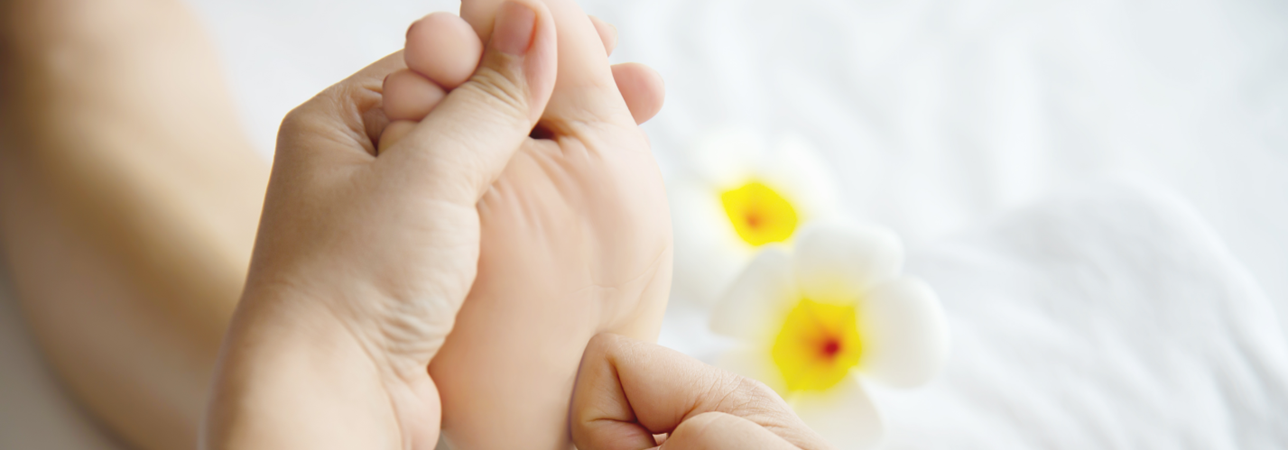
Reflexology is a gentle therapy that promotes relaxation, improves blood circulation, and restores inner balance. By applying pressure to specific points on the feet and hands, it can help to relieve stress and tension, improve sleep and ease migraines, whilst activating the body’s natural healing powers.
Reflexology is an ideal way to promote health and well-being, and boost energy levels in everyday life.
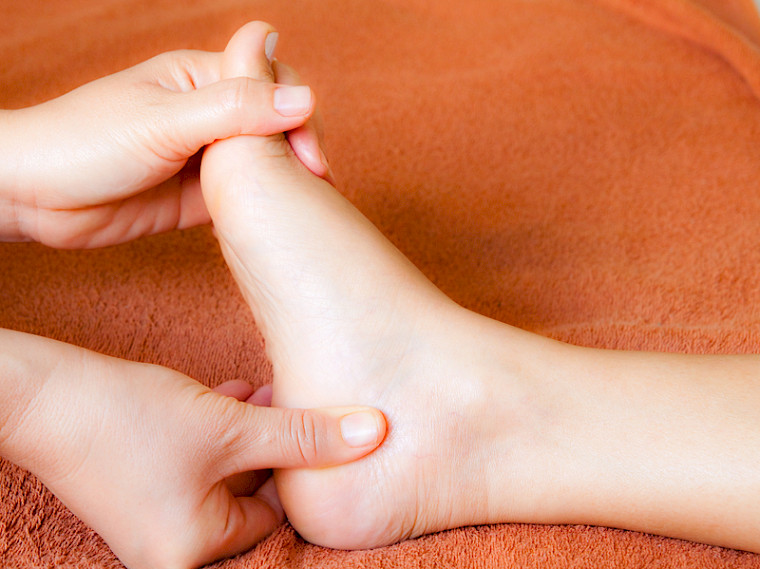
It is a gentle manual therapy involving the stimulation of specific reflex points on the feet and hands. These points correspond to different parts of the body and organs. Reflexology aims to restore energy balance, promote relaxation and stimulate the body’s self-healing abilities by applying targeted pressure to these points.
A reflexology session typically lasts between 45 and 60 minutes. The practitioner begins with a discussion to understand your needs, then stimulates specific reflex zones on the feet and/or hands using precise pressure adapted to your comfort.
The session takes place seated or lying down, in a calm and relaxing environment.
Reflexology is suitable for anyone looking to relieve pain, reduce stress, improve overall well-being, or support medical treatment. It is also adapted for children, adults, and elderly people.
45 minutes session : 100 CHF
60 minutes session : 140 CHF
Monday to Friday : 08:00 - 18:00
Secretariat : 08:00 - 17:00
Centre de Médecine intégrative
Av. Eugène-Pittard 34
1206 Geneva
Yes, reflexology helps relax the nervous system by stimulating reflex points, leading to a significant reduction in stress and anxiety.
Yes, stimulating reflex points can improve sleep quality and help combat insomnia.
Although results are often felt after the first session, a regular follow-up of four to six sessions optimises outcomes.
No, the pressure is adapted to your tolerance level. Although some areas may be sensitive, the session will remain comfortable and relaxing.
Reflexology is not recommended for people with severe infections, phlebitis, recent fractures or who are pregnant, unless they have consulted a doctor first.
Yes, it often complements conventional treatments, improving overall well-being without interfering with medical care.

