

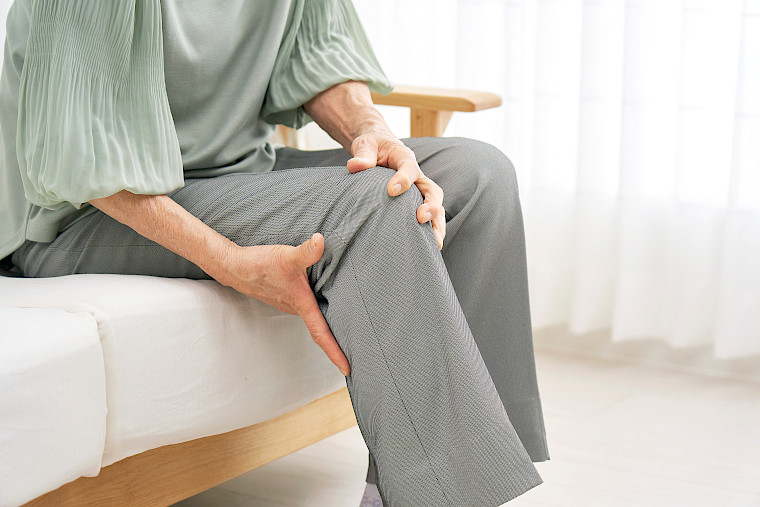
Centre for Rheumatology

Rheumatism is not a single clinical condition – the term encompasses over 100 different diseases, some of which differ significantly from one another in terms of their course, cause and treatment. What they have in common is that they affect the musculoskeletal system, often cause long-lasting pain, and require assessment by specialists who understand the full picture.

The Centre for Rheumatology at the Schmerzklinik Basel offers precisely that: expertise in the diagnosis and treatment of rheumatic conditions, within a clinic specialising in pain medicine.

When should you see a rheumatologist?

Not every case of joint pain requires immediate consultation with a rheumatologist. However, there are certain signs that suggest it is worth seeking a diagnosis before an acute condition turns into a chronic problem.

These include joints that remain stiff for more than half an hour in the morning; swelling that occurs without any injury; pain that moves around or gets worse at night; and unexplained fatigue that does not improve with sleep. If several of these signs are present, a rheumatological examination is the right next step.

What we treat

Inflammatory joint diseases

Rheumatoid arthritis, psoriatic arthritis, ankylosing spondylitis and related conditions occur when the immune system attacks the body’s own tissues. Without treatment, this leads to permanent joint damage. The good news is that, with modern treatments – including biologics and targeted disease-modifying antirheumatic drugs – the course of the disease can now be well managed in most people affected, and in some cases even brought into remission.

Osteoarthritis

Osteoarthritis develops when cartilage breaks down – a process that cannot be reversed, but can be slowed down and treated. Whether it affects the knee, hip, hands or spine, we explore what conservative treatment options are available before surgery is considered. Often, more can be achieved than those affected realise.

Osteoporosis

Osteoporosis often progresses without symptoms for a long time – until a bone breaks that would have remained intact in a healthy person. An early diagnosis makes it possible to significantly reduce the risk of fracture. We carry out a thorough assessment, recommend a suitable treatment and advise on long-term prevention.

Chronic pain syndromes

Fibromyalgia, soft-tissue rheumatism, diffuse symptoms without clear structural findings: these conditions are diagnostically challenging and are often underestimated. At the Basel Pain Clinic, we are able to tackle them using an interdisciplinary approach – in collaboration with pain medicine, neurology and, where necessary, psychiatry.

How we proceed

The first step is a thorough examination: medical history, physical examination, laboratory results and imaging – usually ultrasound, with further procedures if required. Ultrasound is a tool that we use extensively at the Centre for Rheumatology because it reveals inflammation and structural changes in real time and can also be used to guide targeted injections where necessary.

The next steps depend on the findings. Some patients benefit from drug therapy, others from a combination of joint injections and physiotherapy, whilst for others, reliable support and regular check-ups are the most important factors. We explain what we see and discuss together what the best next steps are.

Rheumatology within a pain clinic


Rheumatic conditions rarely fall within a single specialist field. Long-term pain can also affect mental health. Inflammatory processes can trigger neurological symptoms. Medication sometimes requires support from internal medicine specialists.

At the Schmerzklinik Basel, rheumatology, pain medicine, neurology, physiotherapy, psychiatry and complementary medicine all work under one roof. This does not mean that all these specialist areas are involved with every patient – but when necessary, communication takes place directly, without any waiting times between departments.

Frequently asked questions from patients

Do I need a referral?

Generally speaking, yes. In Switzerland, you need a referral from your GP to see a specialist. If you’re unsure, please give us a call – we’ll clarify with you what applies in your situation.

What happens at the first appointment?

We take our time. As well as the physical examination, we focus on understanding your medical history: what tests have you already had, what has helped, and what hasn’t. Depending on the findings, we’ll arrange for laboratory tests or imaging straight away, so that you’ll have the results by your next appointment.

I’ve already been through a lot of assessments. Is it worth doing it all again?

Yes – often. Especially when previous investigations have not provided a clear answer. A different perspective, new diagnostic methods or the involvement of other specialist departments can yield results that were not apparent before.

Book an appointment

Schmerzklinik Basel, Hirschgässlein 11–15, 4010 Basel. 

+41 61 295 89 89


info@schmerzklinik.ch

Our rheumatologists in Basel

Schmerzklinik Basel

Dr. med. Maria Avramidou

Specialisation
Rheumatology, Pain therapy, Ultrasound
Schmerzklinik Basel

Dr. med. Matthias Ulrich Falk

Specialisation
Rheumatology, General Internal Medicine, Ultrasound, Pain therapy View more
Schmerzklinik Basel

Dr. med. Anna Megert

Specialisation
General Internal Medicine, Rheumatology
Schmerzklinik Basel

FA Gerald Stapfer

Specialisation
Rheumatology, General Internal Medicine

Speciality Rheumatology