close search

How can we help you?

Top searches

Jobs
Radiology
Physiotherapy
Oncology
Apprenticeship
Management
Gynecology
Ergotherapy
Radiotherapy
Mri
Neurology
Neursurgery
  • Home
  • Blog
  • Exercising during pregnancy: what is good for you and what isn't?
Exercising during pregnancy
08.10.2025

Exercising during pregnancy: what is good for you and what isn't?

Exercising during pregnancy is healthy, but there are some things to keep in mind. Two pelvic floor specialists from Rosenklinik Physiotherapie reveal which exercises and sports are beneficial and what you should pay attention to in order to get the most out of exercise for yourself and your baby.

Exercise during pregnancy? Absolutely, but well-considered. Exercise is not only good for the expectant mother, but also for the baby.

Mirande Zwanenburg and Martina Jung work as physiotherapists and pelvic floor specialists at Rosenklinik Physiotherapy. In this interview, they reveal which sports are suitable for pregnant women, what they need to be aware of and when caution is advised.

Should I exercise during pregnancy?

Exercise during pregnancy is not only permitted, but recommended. There are now numerous studies showing that regular exercise during pregnancy has a positive effect on the duration of labour and the pain experienced during childbirth. In addition, physical activity strengthens your body awareness: you are more in tune with yourself in the exceptional situation of childbirth and therefore feel more self-effective.

What are the positive effects of sport and exercise during pregnancy?

Pregnant women without complications are allowed to exercise, whereby a combination of endurance and strength training as well as sufficient recovery breaks between training sessions are important.

In this case, exercise and sport can have a number of positive effects:

Positive effects of sport and exercise during pregnancy

  • Reduced risk of gestational diabetes
  • Reduced risk of high blood pressure
  • Less weight gain
  • Less pregnancy depression
  • Less back pain
  • Less water retention
  • Positive effects on the birth process
  • Faster postpartum recovery

Are there differences in the training approach for pregnant women who were already physically active and those who are untrained?

If a woman exercised regularly before pregnancy, she can often continue to do many activities, adapted to her condition.

It is important to adapt physical activity to your current individual condition. This means, for example, reducing the intensity, range of motion or number of repetitions.

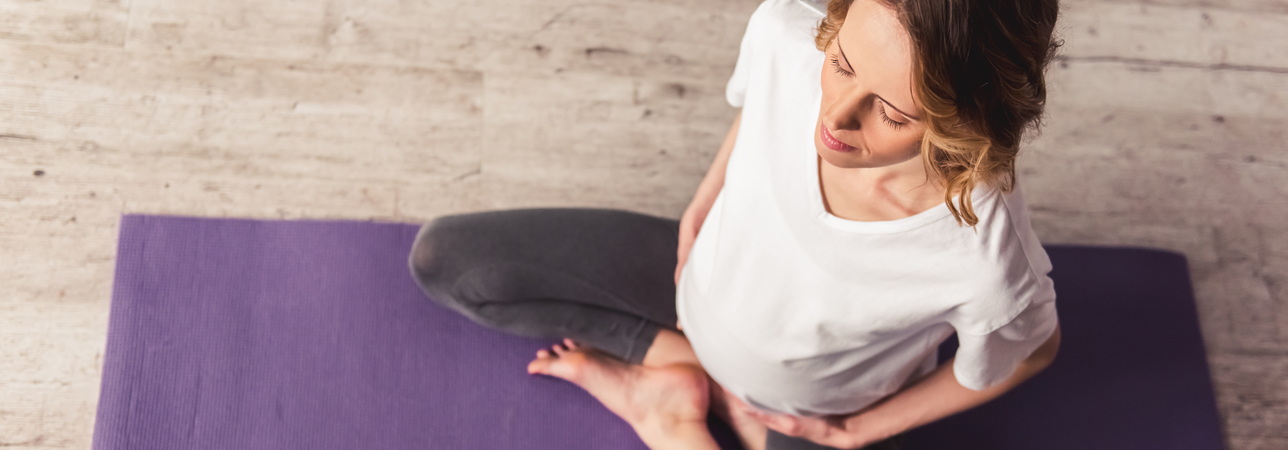
For pregnant women who have not been very physically active up to now, we recommend gentle movements such as walking, swimming, pelvic floor training or pregnancy yoga. Light strength training is also possible. It is important to always stay within your comfort zone and not to overstrain your body.

Which sports are particularly suitable for pregnant women?

The perfect workout challenges without overtaxing and prepares you for the postpartum period and recovery.

Suitable sports for pregnant women

These sports are suitable for expectant mothers

  • Walking, hiking and power walking
  • Swimming, aqua fitness
  • Cycling (from the second trimester onwards, preferably stationary)
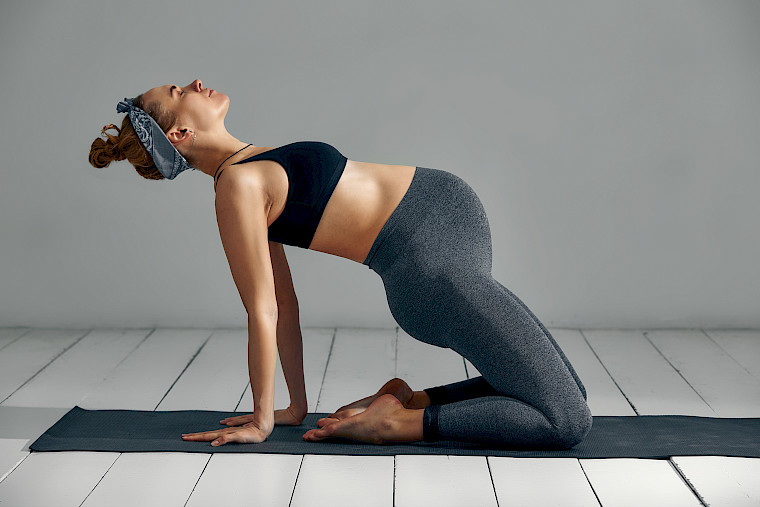
  • Yoga and Pilates for pregnant women
  • Light strength training with a focus on body-stabilising exercises for the back and pelvic floor
  • Adapted strength training/CrossFit, with appropriate training experience
  • Low-impact aerobics without jumping

Which movements and exercises should be avoided during pregnancy?

Using your muscles helps your body to remain strong and flexible and to regenerate better. It is therefore important to feel comfortable and do what is good for you at this stage.

You should avoid any sports that could endanger the mother or the unborn child. It is also important to bear in mind that your joints are more unstable due to the pregnancy hormone relaxin.

Exercising during pregnancy

Sports we do not recommend for expectant mothers:

  •  As a general rule: avoid the Valsalva manoeuvre. This is a breathing technique in which you consciously press against your own breath, e.g. during intensive weight training/bodybuilding.
  • Contact sports such as martial arts and football
  • Sports with a high risk of falling, such as horse riding, climbing or skiing
  • Diving
  • Extreme stretching

What warning signs should pregnant women watch out for when exercising?

Warning signs that should be taken seriously include vaginal bleeding, shortness of breath, dizziness, pain, a hardened abdomen or premature contractions.

What role do the pelvic floor muscles play in training during pregnancy?

The pelvic floor muscles play an important role in exercise during pregnancy. During pregnancy, the pelvic floor is subjected to increasing strain. It is important to closely monitor symptoms such as uncontrolled urine loss, pressure on the pelvic floor or pain in the pelvis/pelvic floor during and after exercise, adjust the intensity of the exercise if necessary, or seek professional help if required.

The pelvic floor should always be trained specifically. Ideally, you should start before/during pregnancy and continue training after giving birth. The pelvic floor performs important functions that are crucial for the mother's health and in preparation for childbirth:

Stabilisation and support

The pelvic floor, together with the abdominal and back muscles, helps to stabilise the torso. It supports the uterus, bladder and intestines, which are increasingly strained by the growing baby.

Preventing problems and preparing for childbirth

Targeted and regular pelvic floor training reduces the risk of urinary incontinence during and after pregnancy and has a positive effect on the upcoming birth.

Supportinging postnatal recovery

A well-trained pelvic floor can facilitate recovery after childbirth, especially when it comes to regenerating muscle and connective tissue.

Pelvic floor training

Also read: why you should strengthen your pelvic floor

A well-trained pelvic floor is important for both women and men. However, pregnancy in particular puts increased strain on the pelvic floor and can cause unpleasant side effects. These can be counteracted with targeted pelvic floor training, which is best started before pregnancy and childbirth.

Exercise is key – also during pregnancy

Sport and exercise are recommended during a complication-free pregnancy, both for the expectant mother and her unborn child. Particular attention should be paid to conscious awareness and targeted training of the pelvic floor, which ideally should be started before pregnancy.

The best way to train depends on the pregnant woman's initial condition. For this reason, training should ideally be carried out under the guidance of a specialist in the pelvic floor. In the event of complications, pre-existing conditions or other complaints, it is also advisable to consult with your gynaecologist.

Our experts

Mirande Zwanenburg

Mirande Zwanenburg has been working as a physiotherapist since 1992 and has specialised in pelvic floor rehabilitation for men and women since 2002. She is a member of Pelvisuisse, the Swiss Association for Pelvic Floor Physiotherapy. She welcomes her patients at Rosenklinik Physiotherapie, which she founded together with her husband Hajo Zwanenburg.

Martina Jung

Martina Jung works as a physiotherapist at Rosenklinik Physiotherapie and completed her training as a certified pelvic floor physiotherapist (Pelvisuisse) in 2023. In addition to pelvic floor physiotherapy, she also offers postnatal courses.

This might also interest you

Pregnancy and birth: why you should strengthen your pelvic floor

Nutrition during pregnancy: what do I need to consider

Checklist for birth and hospital stay

The baby is coming: Our checklist for the birth and your hospital stay

Understanding fibroids and the SONATA method: Interview with Dr Schmid-Lossberg

My doctor is an affiliated doctor. What does this mean?

Breast reconstruction after breast cancer – restoring the body and self-confidence

Your companion through breast cancer – experiences at the Swiss Medical Network clinics

Honey - a cure-all?

  • Home
  • Blog
  • Exercising during pregnancy: what is good for you and what isn't?