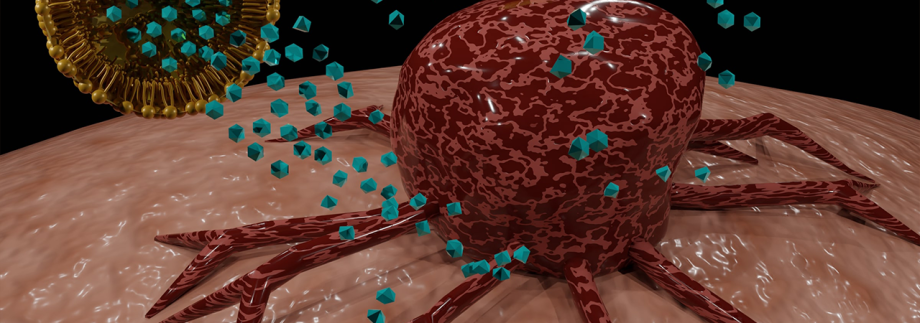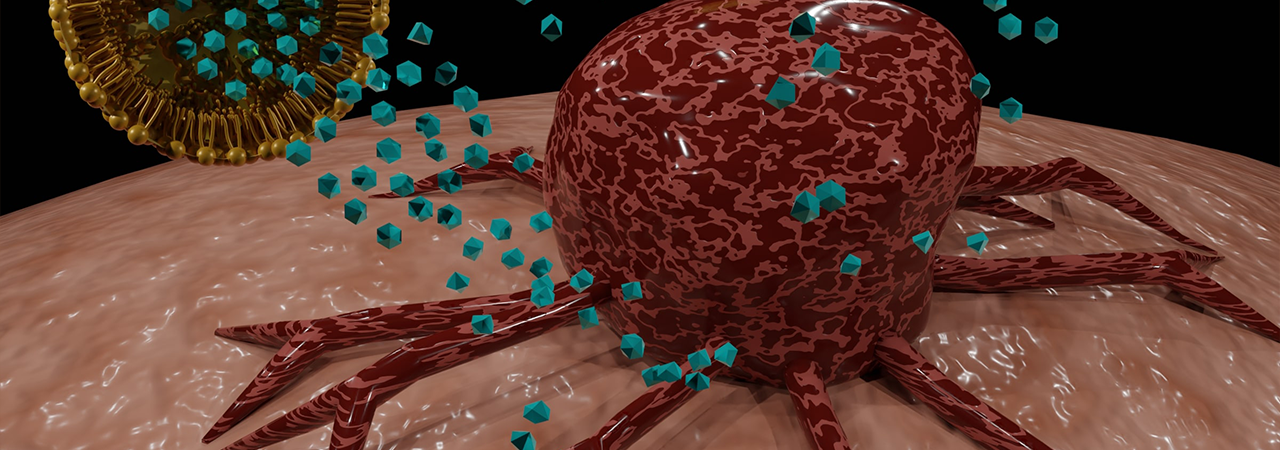
Exosomes carry molecular signatures such as specific miRNAs, proteins, and lipids that can indicate the presence of cancer. Their accessibility in bodily fluids makes them valuable for non-invasive diagnostics, particularly useful for the early detection of cancers such as lung, colorectal, and pancreatic cancers. Furthermore, exosomal analysis allows clinicians to monitor disease progression and response to therapy by tracking changes in their molecular content over time. For example, a decrease in oncogenic miRNAs might suggest a positive response to chemotherapy. Exosomes are also at the forefront of liquid biopsy applications, offering a less invasive alternative to traditional tissue biopsies by reflecting the genetic and proteomic landscape of tumors, providing insights into mutations, resistance mechanisms, and the presence of cancer stem cells.
-
Hospitals
back
Hospitals
- Clinique de Genolier
- Clinique de Montchoisi - Lausanne
- Clinique de Valère - Sion
- Clinique Générale Ste-Anne - Fribourg
- Clinique Générale-Beaulieu - Geneva
- Clinique Montbrillant - Chaux-de-Fonds
- Clinique Valmont - Glion sur Montreux
- Hôpital de La Providence - Neuchâtel
- Hôpital de Moutier
- Hôpital de Saint-Imier
French-speaking Switzerland -
Centres
back
Centres
- Centre Médical Clinique Générale
- Centre Médical Eaux-Vives
- Centre Médical Valère
- Consultations dans le Haut Valais
- Médicentre Corgémont
- Medicentre Courroux
- Medicentre Courtelary
- Médicentre Moutier
- Médicentre Tavannes
- Medicentre Valbirse
- Montchoisi Medical Center
- Policlinique de Valère
- Polyclinic Genolier
- Ärztezentrum Bümpliz
- Ärztezentrum Ittigen
- Ärztezentrum Oerlikon
- Ärztezentrum Ostermundigen
- Ärztezentrum Schönburg
- Ärztezentrum Siloah Murten
- Ärztezentrum Solothurn
- Ladies Permanence Stadelhofen
- Medizinisches Zentrum Biel
- Medizinisches Zentrum Haus zur Pyramide
- Xundheitszentrum
- Ars Medica Agno
- Ars Medica Bellinzona
- Ars Medica Manno
- Centromedico
- Poliambulatorio Pediatrico
- Poliambulatorio Sant'Anna
French-speaking SwitzerlandGerman-speaking SwitzerlandTicino - Swiss Visio
- Medical specialty
- Doctors
-
For patients
- About us
-
Integrated care
-
Hospitals
back
Hospitals
- Clinica Ars Medica - Gravesano
- Clinica Sant'Anna - Sorengo
- Clinique de Genolier
- Clinique de Montchoisi - Lausanne
- Clinique de Valère - Sion
- Clinique Générale Ste-Anne - Fribourg
- Clinique Générale-Beaulieu - Geneva
- Clinique Montbrillant - Chaux-de-Fonds
- Clinique Valmont - Glion sur Montreux
- Hôpital de La Providence - Neuchâtel
- Hôpital de Moutier
- Hôpital de Saint-Imier
- International Patients
- Privatklinik Belair
- Privatklinik Bethanien - Zürich
- Privatklinik Lindberg - Winterthur
- Privatklinik Obach - Solothurn
- Privatklinik Siloah
- Privatklinik Villa im Park, Rothrist
- Rosenklinik Rapperswil
- Schmerzklinik Basel
- Spital Zofingen
-
Centres
back
Centres
- Ars Medica Agno
- Ars Medica Bellinzona
- Ars Medica Manno
- Ärztezentrum Bümpliz
- Ärztezentrum Ittigen
- Ärztezentrum Oerlikon
- Ärztezentrum Ostermundigen
- Ärztezentrum Schönburg
- Ärztezentrum Siloah Murten
- Ärztezentrum Solothurn
- Centre Médical Clinique Générale
- Centre Médical Eaux-Vives
- Centre Médical Valère
- Centromedico
- Consultations dans le Haut Valais
- Ladies Permanence Stadelhofen
- Médicentre Corgémont
- Medicentre Courroux
- Medicentre Courtelary
- Médicentre Moutier
- Médicentre Tavannes
- Medicentre Valbirse
- Medizinisches Zentrum Biel
- Medizinisches Zentrum Haus zur Pyramide
- Montchoisi Medical Center
- Poliambulatorio Pediatrico
- Poliambulatorio Sant'Anna
- Policlinique de Valère
- Polyclinic Genolier
- Xundheitszentrum
- Cancer centres
- Radiology centres
- Spine centres
- Sports medicine centres
- Neurology centres
- Centre du Sein
- Radio-oncology and nuclear medicine centres
- Swiss Visio
- Medical specialty
- Doctors
-
For patients
back
For patients
- About us
-
Integrated care
close search