close search

How can we help you?

Top searches

Jobs
Radiology
Physiotherapy
Oncology
Apprenticeship
Management
Gynecology
Ergotherapy
Radiotherapy
Mri
Neurology
Neursurgery
  • Home
  • Blog
  • Robots in knee surgery: 'It's like driving a car with or without modern navigation devices.'
26.03.2026

Robots in knee surgery: 'It's like driving a car with or without modern navigation devices.'

Since March 2025, certified orthopaedic surgeons at the Rosenklinik have been working with the VRAS surgical robot. Dr Dirk Lehnen performed the first VRAS procedure a year ago. To date, he has performed over 120 knee prosthesis implantations using the new system. In this interview, he reflects on his experience.

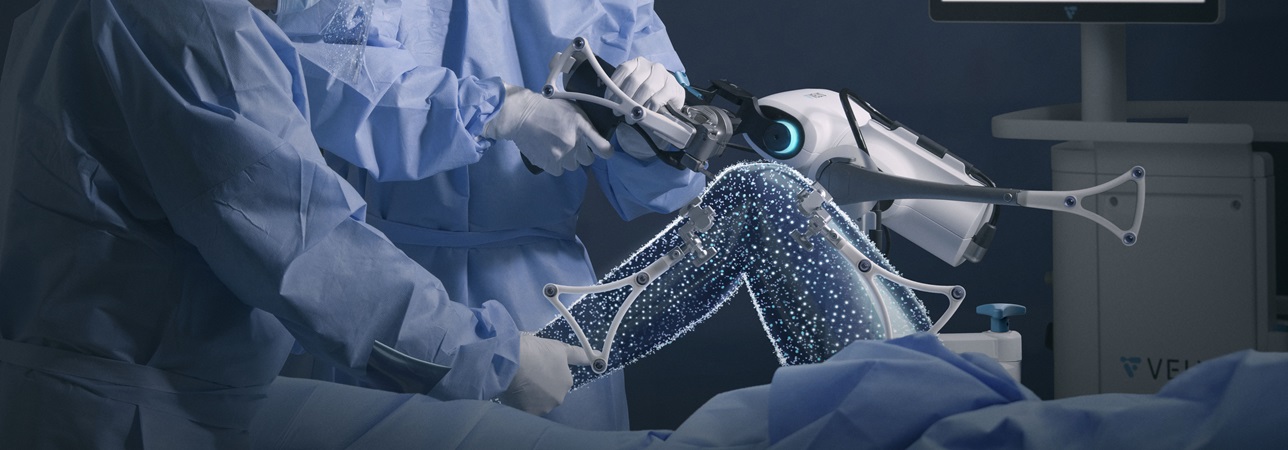
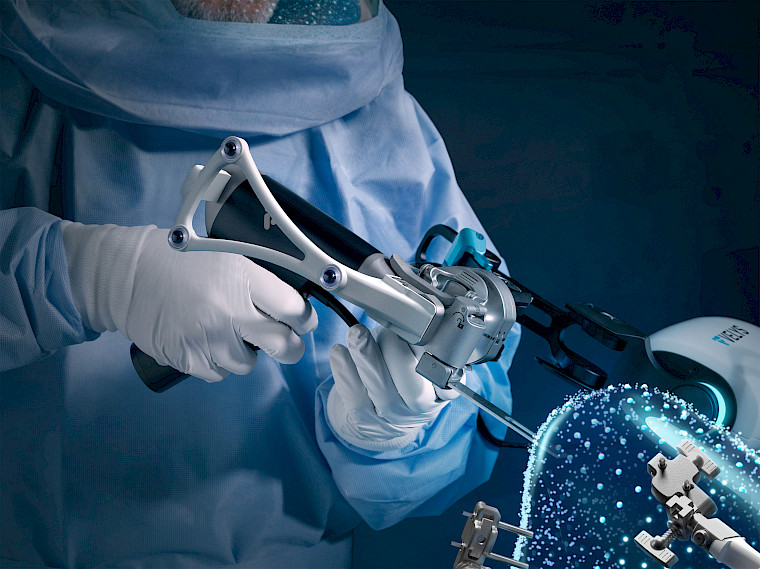
Does technology make everything better? The fact is that medical procedures are becoming safer and more efficient thanks to technological advances. AI and assistive robots, in particular, are currently transforming the work of many doctors. One particularly exciting innovation is Johnson & Johnson's VELYS™ Robotic-Assisted Solution («VRAS») system. This surgical robot is used in knee prosthetics and promises to deliver even more precise alignment of the artificial joint.

In 2025, Rosenklinik became the fifth clinic in the Swiss Medical Network to introduce the surgical robot. The first procedure was performed under the direction of Dr Dirk Lehnen. In this interview, the orthopaedic surgeon and owner of the OrthoBase practice talks about his experience with the new system and its advantages for patients and doctors.

Dr Lehnen, you performed your first VRAS operation on 19 March 2025. How many operations have you performed with the surgical robot since then?

Dr Lehnen: Since starting in March 2025, I have performed over 120 robot-assisted knee replacement procedures with the VELYS™ system.

Was there a learning curve? When did you feel that you had truly mastered the system?

Dr Lehnen: Even an experienced orthopaedic surgeon has a certain learning curve when new surgical procedures are introduced. However, the manufacturer prepared us optimally for the new robot, certified us, and provided support during the first operations, enabling us to achieve very good results from the outset. We became proficient in its daily use after about twenty procedures. This can also be seen in the increasingly shorter operation times.

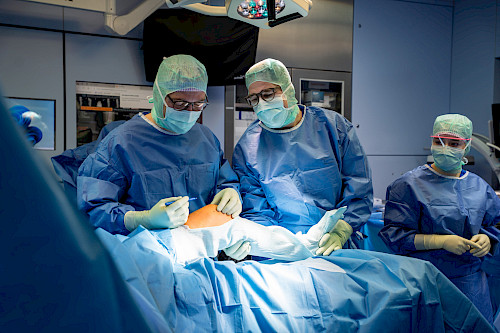
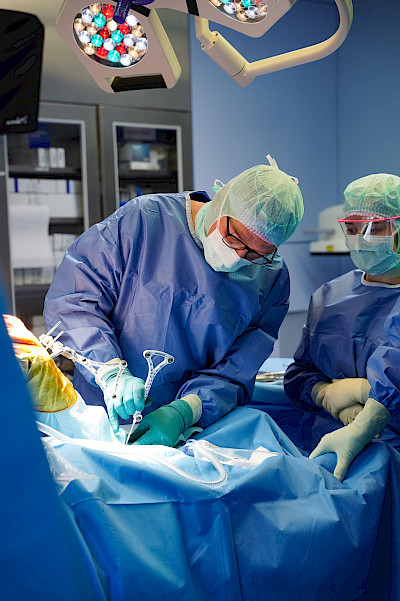
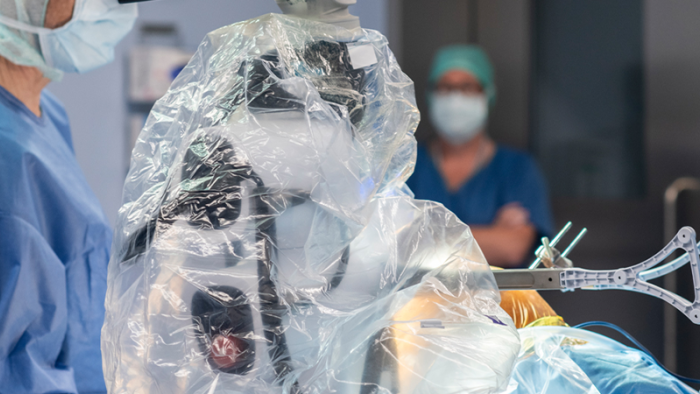
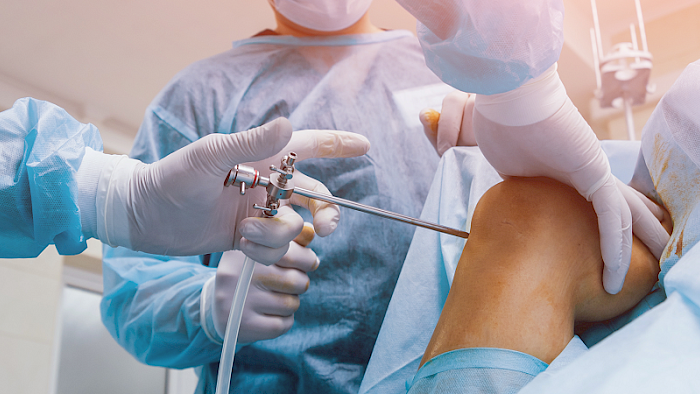
Robot-assisted implantation of an artificial knee joint at Rosenklinik.

Robot-assisted implantation of an artificial knee joint at Rosenklinik.

What are the main differences between surgeries involving and not involving «VRAS»?

Dr Lehnen: I explain it to my patients like this: it's like driving a car with or without modern navigation devices. You can still drive without them, but with them, you're more likely to reach your destination without complications, and the precision and predictability are significantly better. Put simply, the system enables highly individualised, millimetre-precise alignment and balancing of the knee prosthesis. Every knee is different and has its own kinematics. With the VELYS™ robot, we can respond to this with the utmost precision.

What advantages does «VRAS»offer surgeons?

Dr Lehnen: For me, patient satisfaction and the longevity of the treatment are paramount. With the robot, we can respond much more precisely to each patient's individual anatomy and requirements. This is reflected in the results of our treatment. Since introducing the new surgical method, we have also introduced follow-up treatment and patient testing. We carry this out systematically after three and six months. Initial analyses already show that joint mobility and stability are improved, which is also reflected in patient satisfaction.

What are the advantages of «VRAS» for patients?

Dr Lehnen: Patients benefit from the 'biological' perception of the prosthesis. The individually adapted kinematics mean that the prosthesis feels less like a foreign body. Mobility and stability of the knee joint have also improved, leading to faster rehabilitation and presumably better mobility for patients.

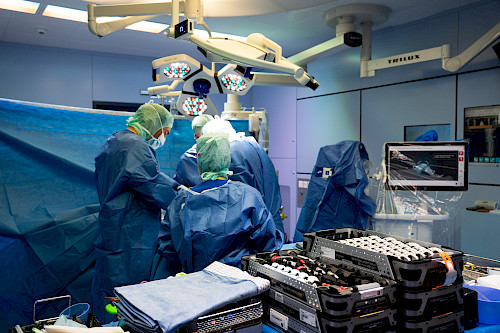
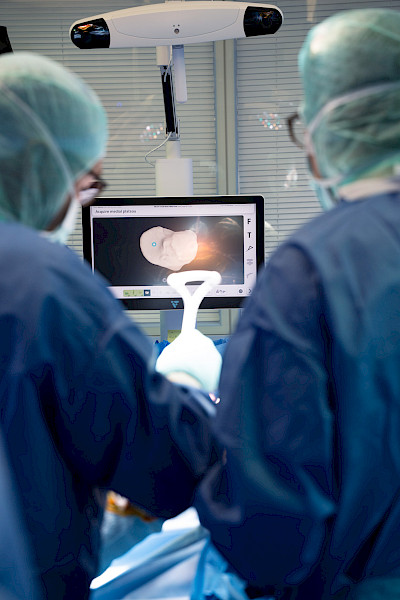
Robot-assisted implantation of an artificial knee joint at Rosenklinik.

Robot-assisted implantation of an artificial knee joint at Rosenklinik.

Are there any particular patient groups that benefit from «VRAS»?

Dr Lehnen: All patient groups benefit from precise surgical techniques. However, patients with severe axial deviation of the knee joints, such as bow legs or knock knees, or with functional deficits such as loss of extension or flexion ability, are particularly noteworthy. Revision surgery and prosthesis replacement can also be performed more easily and precisely using the robot.

agile+® prothesis programme

The Rosenklinik is the first clinic in Switzerland to use the agile+® prosthesis programme. agile+® aims to ensure optimal recovery after the insertion of an artificial hip or knee joint. With intensive patient education, plenty of exercise and comprehensive care, we ensure you are soon back on your feet.

In your opinion, what role will robot-assisted procedures play in knee surgery in the future?

Dr Lehnen: Like many other highly specialised economic sectors, medicine will rapidly evolve in the field of assistive robotics and AI-supported systems. I do not expect the “human” factor – i.e. the surgeon – to be replaced in the near future, but rather see the advantages of these systems in their greater precision, objectifiable measurability and increasing individualisation of care. Other procedures, such as cruciate ligament surgery and realignment surgery (axis corrections), could also gain in precision and efficiency with the aid of robotic systems.

I also hope that centres specialising in robotics with high case numbers will increasingly establish themselves in order to ensure low-risk and measurably high-quality care for our population. Only a doctor who performs these procedures in high numbers can meet the increasing demands of patients and the necessary efficient processes in clinics.

Our expert

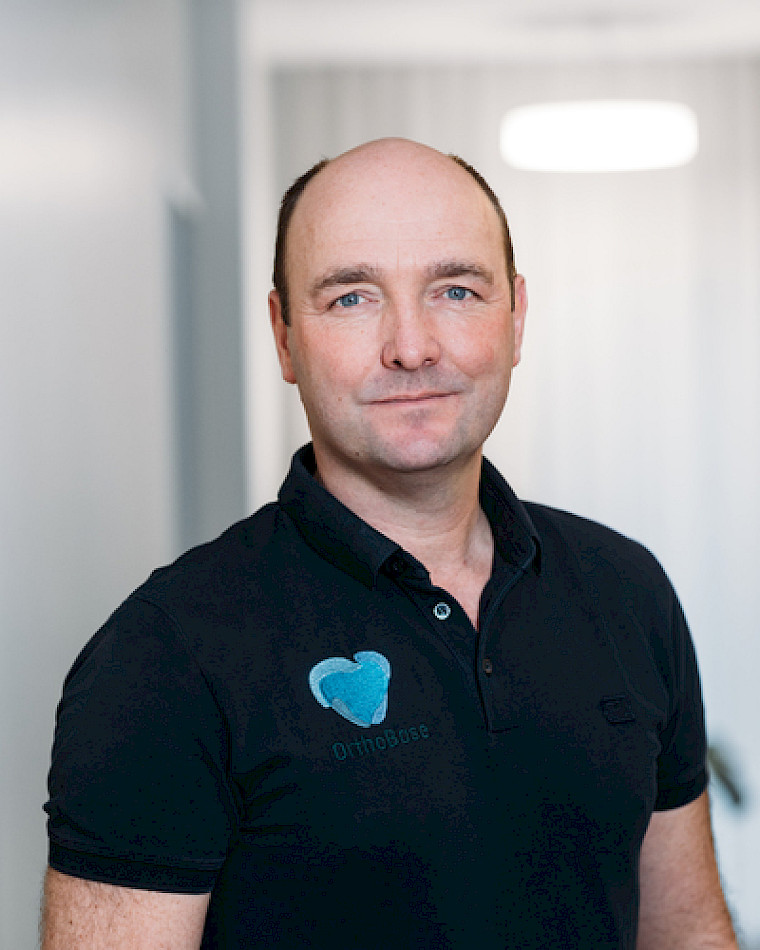
Dr Dirk Markus Lehnen specialises in treating lower limb disorders, with a particular focus on hip and knee conditions, as well as foot and ankle surgery.

He was chief physician and head of department at a large regional hospital for over six years, during which time he established and managed the surgery, orthopaedics and physiotherapy departments. In 2019, he founded the OrthoBase practice. He has also been teaching doctors in the field of minimally invasive hip replacement surgery for over ten years.

Dr Lehnen's extensive experience and extensive professional network enable him to provide highly specialised patient care.

This might also interest you

AI in medicine

AI in medicine: Will I soon be treated by a robot surgeon?

Robotic knee prosthesis surgery

Robotic knee prosthesis surgery: A growing milestone at Swiss Medical Network

Artificial joint: How do I decide in favour of (or against) it?

Artificial joint: How do I decide in favour of (or against) it?

agile+® | Rosenklinik

Artificial knee or hip joint: why patient education is key

Living with a prosthesis

Living with a prosthesis: How does an artificial joint change my everyday life?

Knee pain during sport: what to do if your knee hurts?

Knee pain during sport: what to do if your knee hurts?

Exercises for senior citizens | Swiss Medical Network

Exercises for senior citizens: the key to health and wellbeing

Travelling safely with an artificial joint | Swiss Medical Network

Travelling with an artificial joint: what to keep in mind after prosthetic surgery

These sports are good for your joints

These sports are good for your joints

Learn more

Treatment of hip osteoarthritis at Swiss Medical Network

Hip osteoarthritis

Hip prosthesis operations at Swiss Medical Network

Hip prosthesis

Osteoarthritis of the knee

Osteoarthritis of the knee

Knee prosthesis operations at Swiss Medical

Knee prosthesis

  • Home
  • Blog
  • Robots in knee surgery: 'It's like driving a car with or without modern navigation devices.'